Two pallets deep instead of one. Fewer aisles, more storage, and it uses the same racking components you already know.
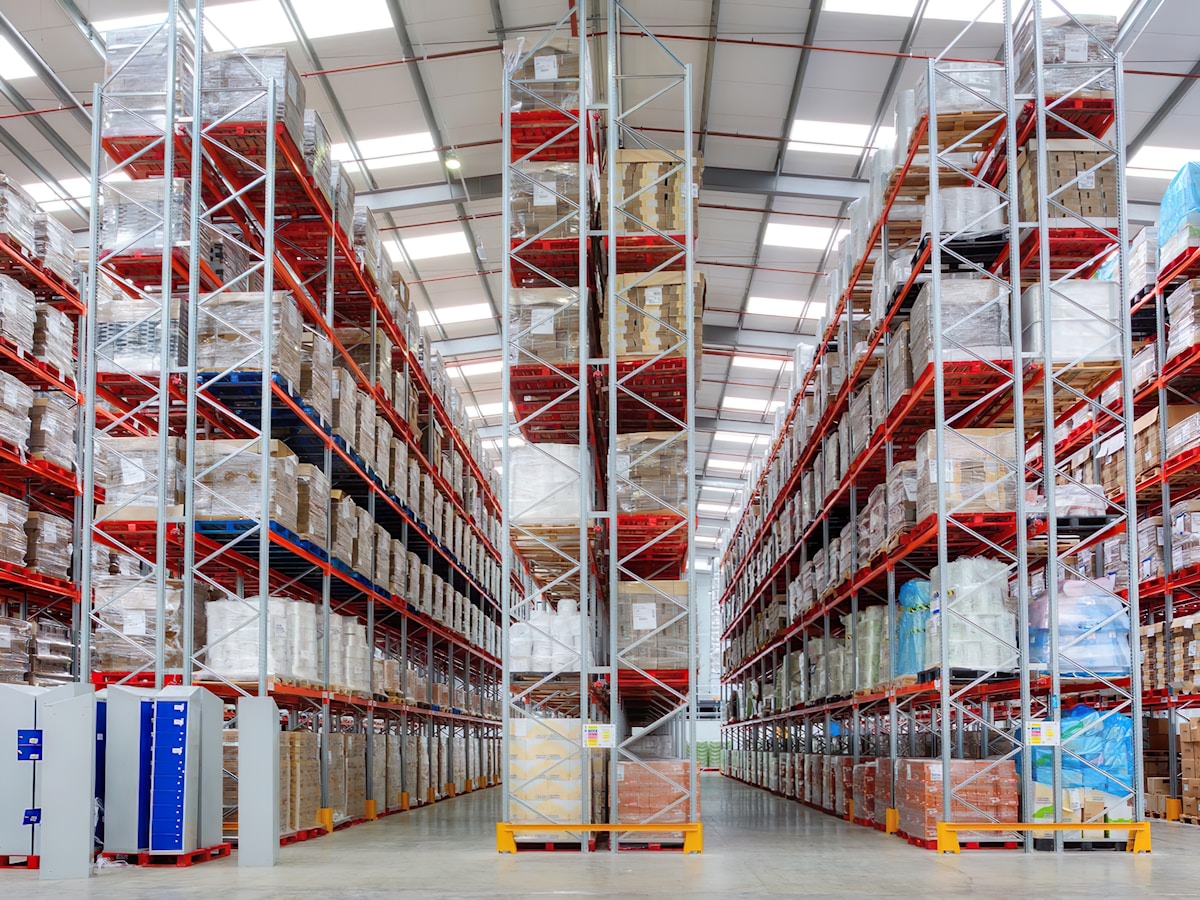
Double deep is the cheapest way to add serious capacity to a building you already have, provided you hold at least two pallets of most SKUs.
It is ordinary selective racking, set two rows deep back to back, with a single aisle serving both. Every aisle you remove turns into storage, which is where the extra capacity comes from.
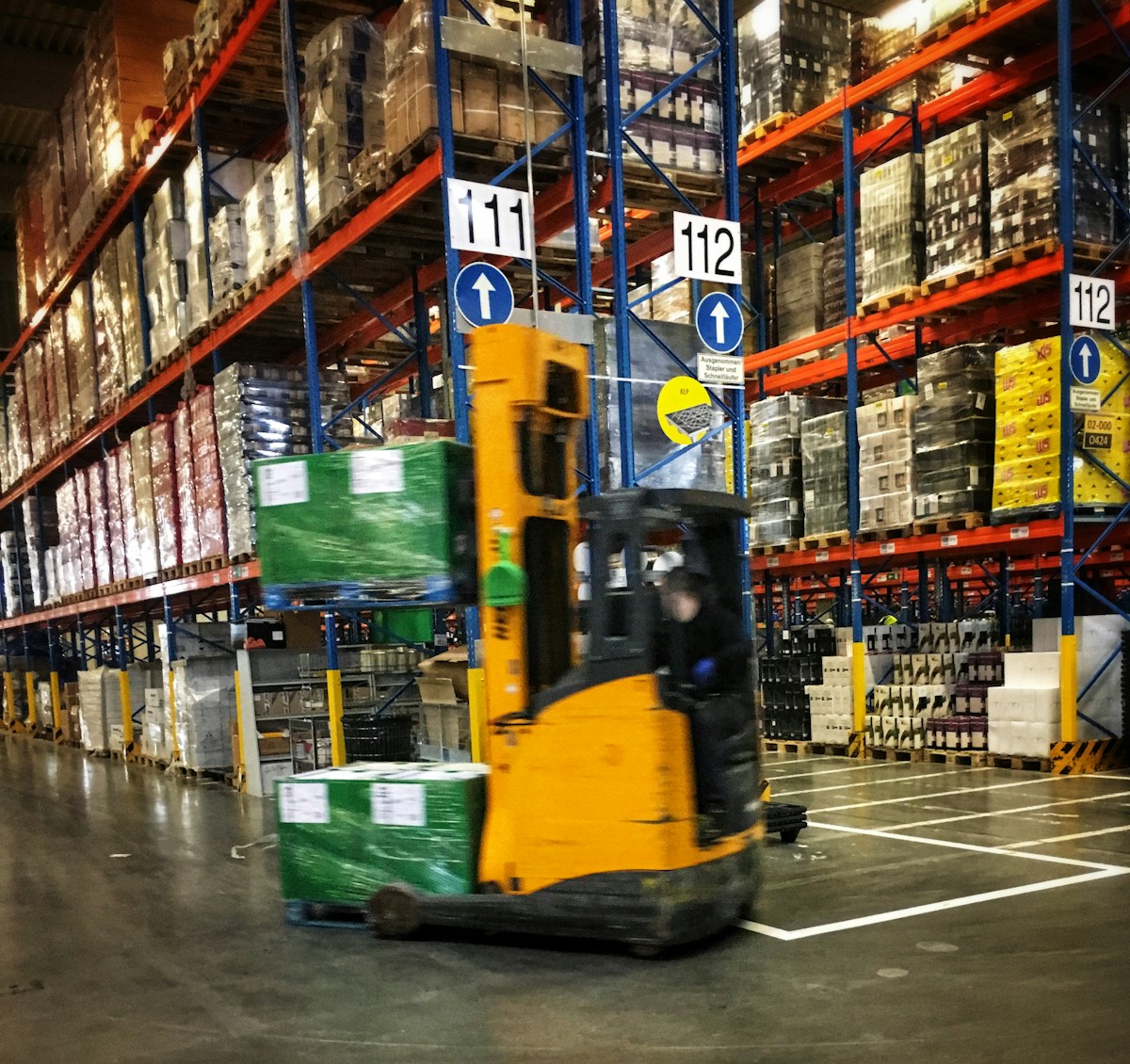
The catch is the truck. A standard forklift cannot reach the back position, so you need a double-reach or pantograph truck. If you already run one, double deep is close to free capacity. If you do not, the truck is often the larger part of the budget.
We supply it roll-formed for standard loads and structural where the loads are heavier or lift damage is likely. Every system is engineered to your loads and signed off on site before you load it.
The gain depends entirely on how many aisles you remove. These are typical ranges, not fixed limits.
| Specification | Typical Range |
|---|---|
| Pallet Access | Front position direct, rear position behind it |
| Storage Density | Medium. Typically 20 to 30 percent more than selective |
| Lane Depth | 2 pallets, one behind the other |
| Stock Rotation | LIFO within each lane, FIFO across lanes if managed |
| Forklift Type | Double-reach or pantograph truck. Standard trucks will not reach |
| Aisle Width | Usually wider than selective to allow the reach mechanism |
| Upright Height | Commonly 12 to 30 ft, limited by clear height and sprinklers |
| Steel Type | Roll-formed for standard duty, structural for heavy duty |
| Best Suited To | Two or more pallets per SKU, medium SKU count |
Figures are typical, not a specification. We model the layout both ways during the free site assessment so you can see the real capacity gain against the truck cost.
Double deep only works if your rear positions actually get filled. If you mostly hold one pallet per SKU, it will cost you money and give you nothing.
This is where it gives you the most capacity for the least money.
Worth modelling? Book a free site assessment and we will lay your floor out both ways so you can compare.
In these cases the rear positions will sit empty and you gain nothing.
Try selective for single pallets, push back for depth without a special truck, or pallet flow for FIFO.
Yes, and this is the deciding factor for most people. A standard counterbalance or single-reach truck cannot get past the front pallet. You need a double-reach truck or a pantograph attachment. If you already run one, double deep is very cheap capacity. If you do not, price the truck before you price the racking.
Typically 20 to 30 percent, but it comes entirely from removing aisles, so the honest answer depends on your building. A wide, shallow warehouse with many aisles gains a lot. A long, narrow one gains less. We model both layouts during the assessment so you see the real number rather than an average.
You have to lift the front one out to reach it. That is fine when both positions hold the same SKU, which is why double deep only makes sense if you carry at least two pallets of most products. If you carry singles, the rear position stays empty and you have paid for storage you cannot use.
LIFO within a lane. You can still run FIFO across your whole operation by managing which lanes you draw from, but within any single lane the last pallet in is the first one out.
Push back goes deeper, up to six, and does not need a special truck because the pallets move instead of the forklift. Double deep is cheaper per position and uses standard racking parts, but it needs the reach truck. If you already own the truck, double deep usually wins on cost. If you do not, push back often works out closer than people expect.
The four systems people most often weigh against double deep.