Industrial Shelving

Hand-loaded storage for small parts, spares and slow movers. The right answer when a pallet rack would be overkill.
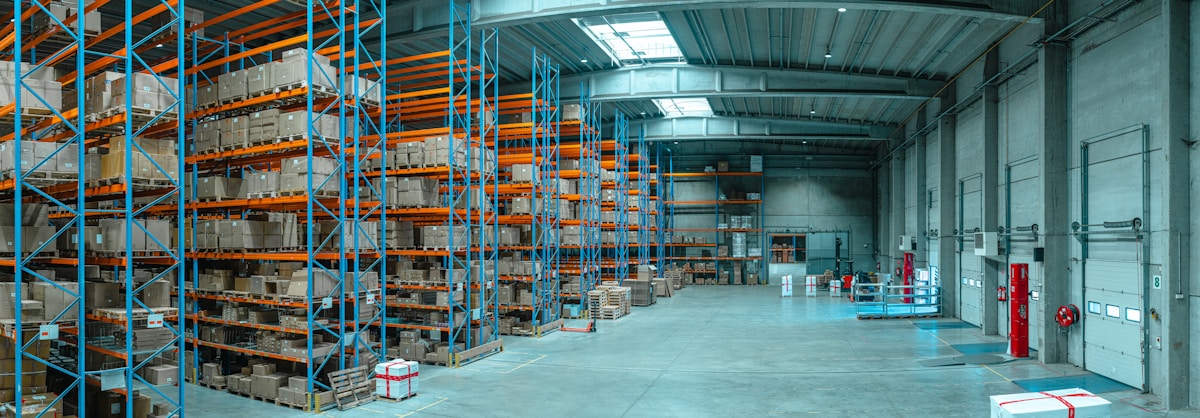
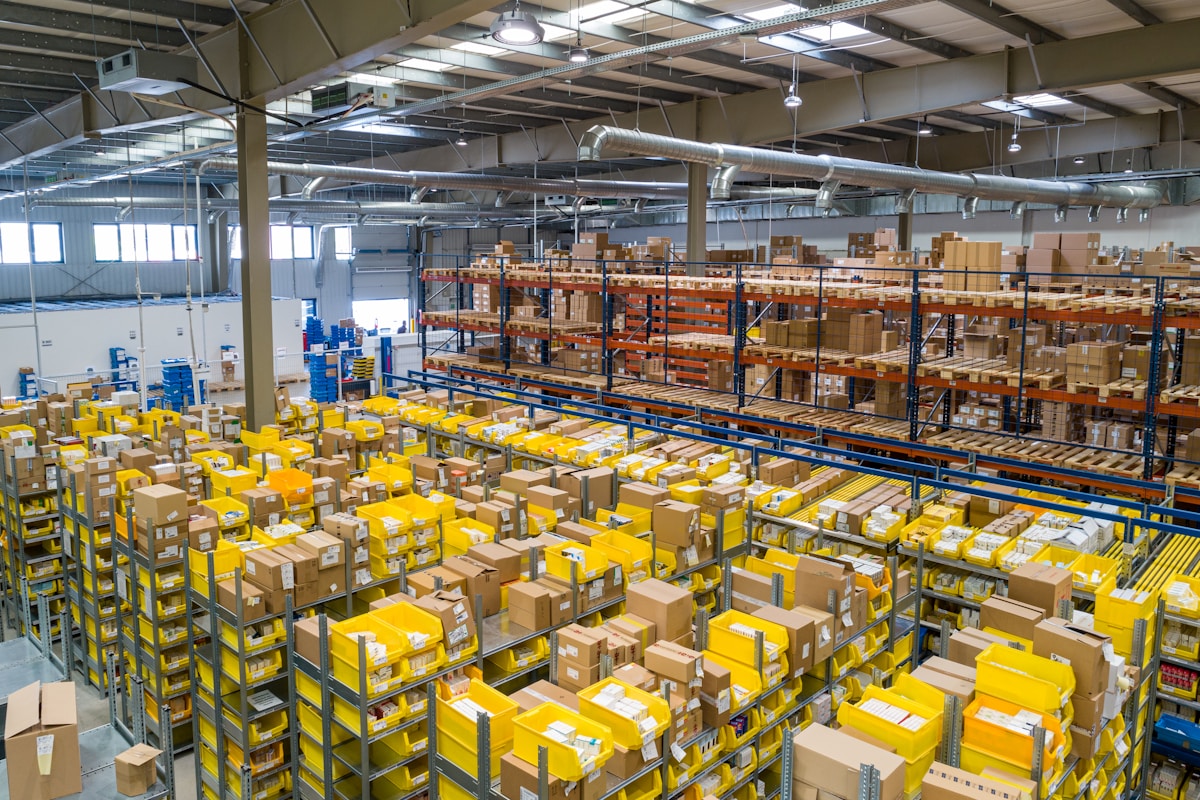
Industrial shelving holding boxed small parts Loaded by hand, picked by hand. Nothing here needs a forklift.
Adjustable shelf levels in a storeroom Shelf levels move in small increments, so you set them to the box, not the other way round.
Bins and totes organised on shelving Bins and dividers turn one shelf into a dozen pick locations.
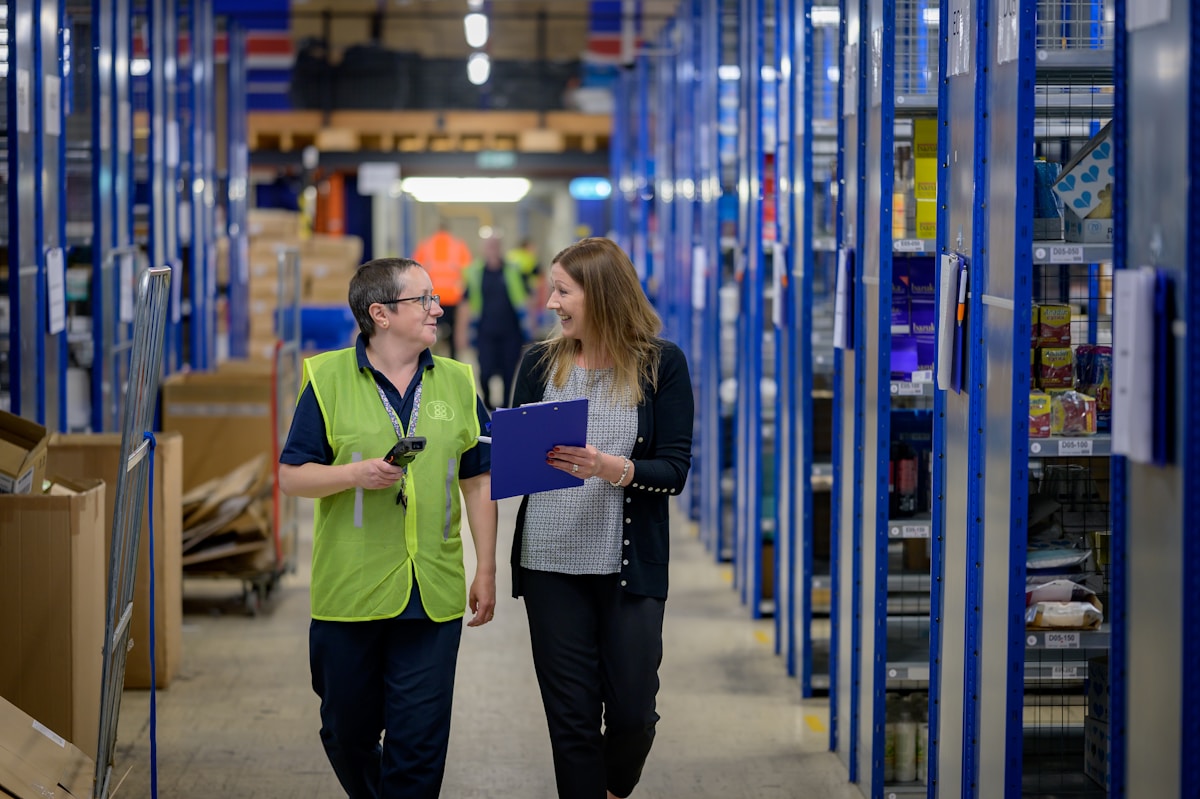
Staff picking parts from a shelving run Fast movers between knee and shoulder. Everything else above and below.
What It Is

The Right Tool for Small Parts

Plenty of operations put small boxes on pallet racking because it is what they already have. It works, but it wastes an enormous amount of space.

Shelving is sized for what a person can carry. Shelf levels adjust in small increments, so you set them to your actual box height rather than losing half a bay to fresh air. Add bins and dividers and a single shelf becomes a dozen separate pick locations.

Two decisions matter more than the rest. Boltless assembles and reconfigures quickly and suits most storerooms. Bolted is stronger and better where loads are heavy or the run is long. Open shelving is cheaper and easier to reach into; closed shelving with back and side panels stops stock pushing through into the next aisle.

Because people work at it all day, layout matters more than steel. Fast moving lines belong between knee and shoulder height, slow movers above and below. Tall runs still need anchoring and, above certain heights, restraint against tipping, which is easy to overlook on something that looks this simple.

  • Shelf levels set to your box height, not a fixed pitch
  • Boltless or bolted, open or closed, to suit the job
  • Bins and dividers turn one shelf into many locations
  • Far cheaper per location than pallet racking for small parts
The Numbers

Typical Specifications

Shelving is configured to the product and the person picking it. These are typical ranges, not fixed limits.

SpecificationTypical Range
LoadingBy hand. No forklift required
Shelf CapacityCommonly 200 to 800 lb per shelf, evenly distributed
Shelf LevelsAdjustable in small increments, typically 1 to 2 in
Unit HeightCommonly 6 to 10 ft, taller with restraint and access equipment
AssemblyBoltless for speed and reconfiguring, bolted for heavier duty
ConfigurationOpen for access, closed with panels to stop push-through
AccessoriesBins, dividers, drawers, label strips, back stops
AnchoringTall or narrow runs need floor anchoring and tip restraint
Best Suited ToSpares, small parts, slow movers, stock rooms, mezzanine decks

Figures are typical, not a specification. Bring a sample box or bin to the assessment and we will size the shelf pitch around it.

Honest Assessment

Is Industrial Shelving Right for You?

Shelving is the least glamorous system we supply and often the one that pays back fastest. The test is simple: can a person lift it.

Choose Shelving If

For small parts this is both the cheapest and the most usable option.

  • You store small parts, spares, cartons or bins picked by hand
  • Stock is currently sitting on pallet racking and wasting the bay
  • You need a stock room, parts crib or tool store organised properly
  • You are fitting out a mezzanine deck or a back-of-house area
  • Box sizes vary, so you need shelf levels you can move easily

Sorting out a stock room? Book a free site assessment and bring a sample box so we can set the shelf pitch around it.

Look Elsewhere If

Shelving is for what a person can lift. Past that it is the wrong tool.

  • Loads arrive and leave on pallets and need a forklift
  • Individual items are too heavy to lift safely by hand
  • Pick volume is high enough that walking is the real cost
  • You need serious density across a large footprint
  • Long stock like pipe, bar or lumber, which needs arms not shelves

Try selective for palletised stock, carton flow for high volume picking, or cantilever for long loads.

Straight Answers

Industrial Shelving FAQ

Boltless or bolted. Which should I get?

Boltless for most storerooms. It goes up quickly, needs no tools beyond a rubber mallet, and shelf levels move in minutes when your stock changes. Bolted is stiffer and better suited to heavier loads, long unbroken runs, or anywhere the shelving takes knocks. If you expect to reconfigure often, boltless will save you more than the price difference.

Open or closed shelving?

Open is cheaper and easier to reach into from either side. Closed adds back and side panels, which stops items being pushed through into the next aisle and keeps dust down. Back-to-back runs in a busy stock room are usually worth closing.

How much weight can a shelf hold?

Commonly 200 to 800 lb per shelf, evenly distributed. The phrase that matters is evenly distributed. A single heavy item in the middle of a shelf loads it very differently from the same weight spread across it, which is where sagging shelves usually come from.

Does shelving need to be anchored?

Tall or narrow runs do, and this is the thing most often skipped because shelving looks harmless. A unit loaded heavily at the top with light stock below can tip, particularly if someone climbs it. We anchor tall runs to the floor and add restraint where the height to depth ratio calls for it.

Can it go on a mezzanine?

Yes, and it is one of the most common fit-outs for a mezzanine deck. The deck load rating has to account for it, so tell us at design stage rather than after the mezzanine is engineered, since adding a shelving load afterwards can mean revisiting the drawings.

Get Industrial Shelving Priced Free site assessment. We measure the building, then send a layout and real numbers.