Selective Pallet Racking

Direct access to every pallet, adjustable as your stock changes. The most widely used racking system in warehousing.
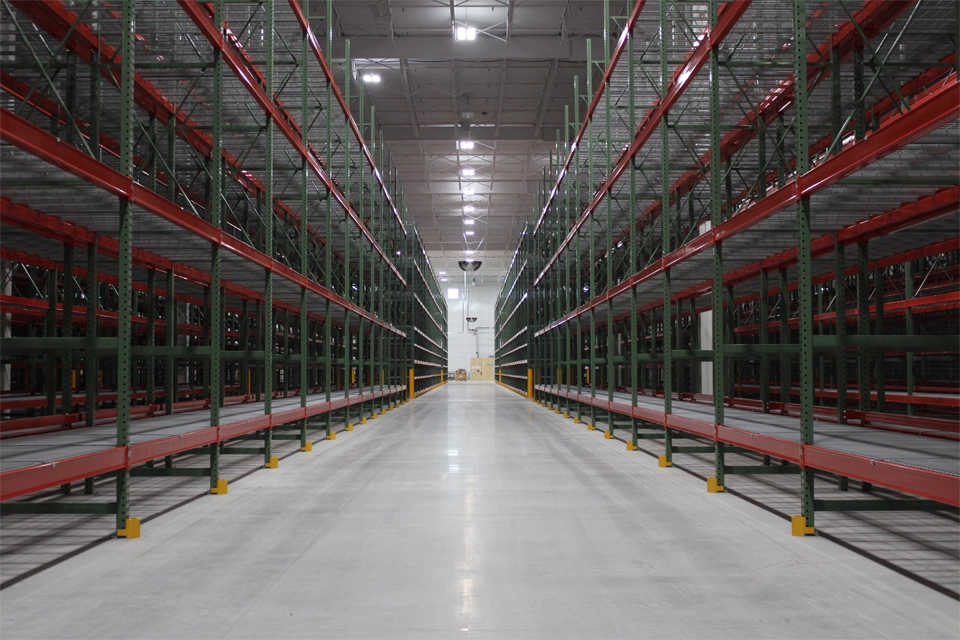
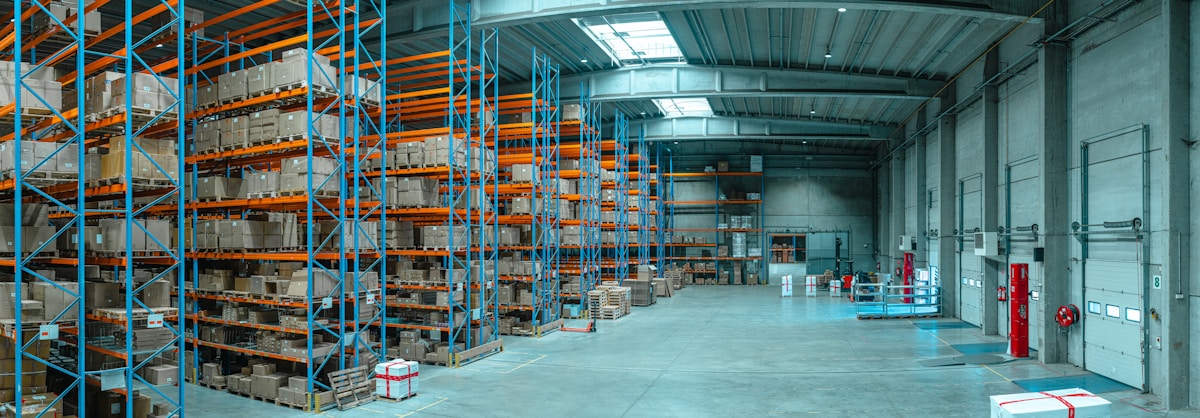
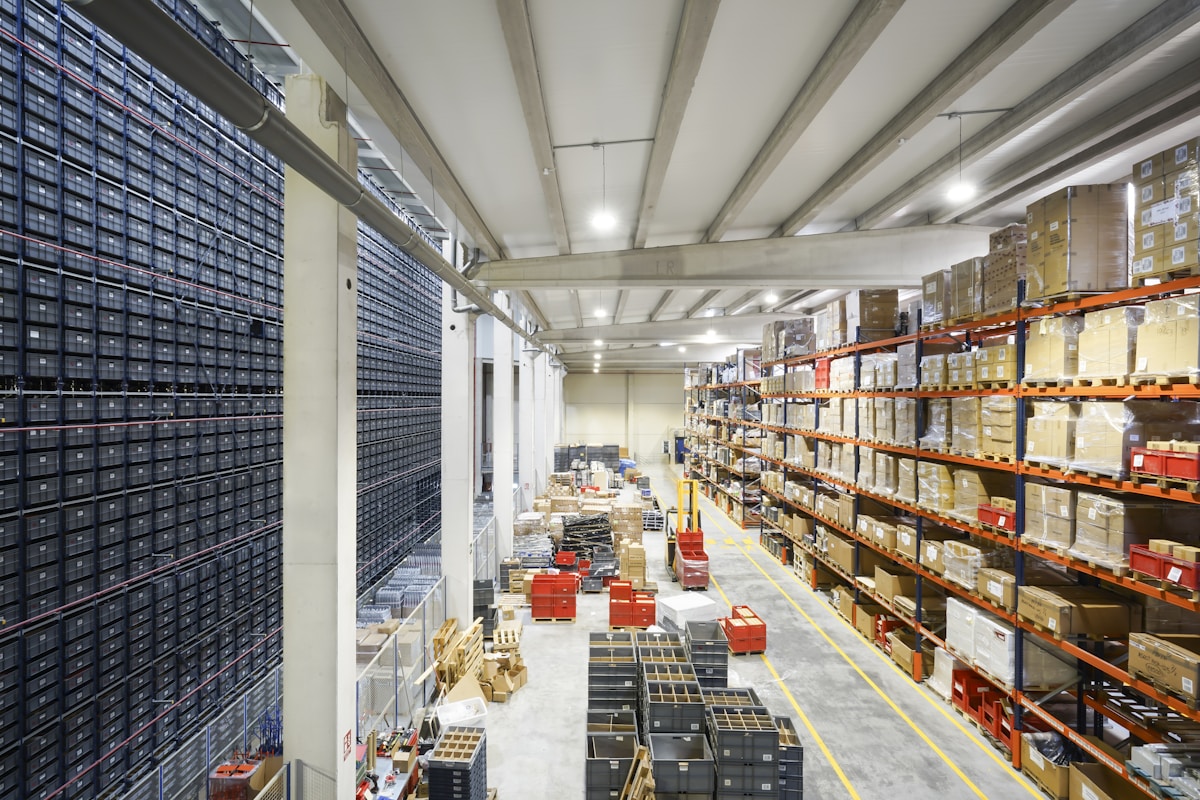
Selective pallet racking installed in an Ontario warehouse Selective racking supplied to an Ontario warehouse. Every pallet reachable without moving another.
Adjustable beam levels on a selective racking bay Beams unclip and move. When your pallet heights change, the racking changes with them.
Wide aisle selective racking in a distribution centre Aisle width is the trade-off. You give up floor space to get access to everything.
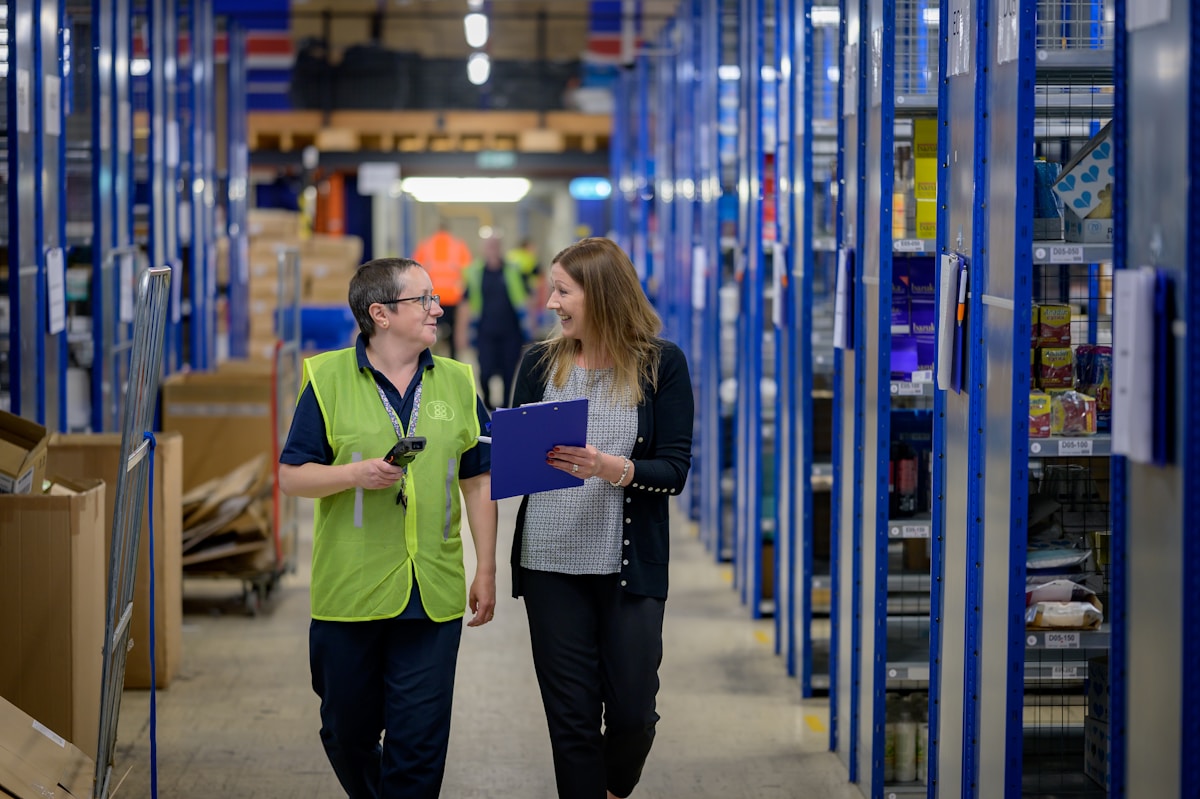
Warehouse team picking from selective pallet racking Simple to run, simple to train on. Most operations are productive on day one.
What It Is

Access to Everything, Nothing Buried

If you carry a lot of different products and need to reach any of them at any time, selective racking is almost always the right starting point.

Two upright frames, a pair of load beams, and a pallet on top. That simplicity is the whole advantage: a forklift reaches any pallet directly, without shifting anything else, and your operators need no special training or equipment.

Beam elevations unclip and move, so when your pallet heights change the racking adapts rather than being replaced. We supply it in roll-formed steel for standard warehouse loads, and structural steel where the loads are heavier or the environment is harder on the frames.

Every system is engineered to the loads you actually store, and signed off on site before you put a pallet on it.

  • Direct access to 100% of your pallets
  • Lowest cost per pallet position
  • Roll-formed or structural steel to suit the load
  • Works with the lift equipment you already own
The Numbers

Typical Specifications

Selective racking is built to order. These are the ranges most Ontario warehouses land in, not fixed limits.

SpecificationTypical Range
Pallet Access100 percent, every position directly reachable
Storage DensityLow. Roughly 40 to 50 percent of the floor goes to aisles
Stock RotationFIFO or LIFO, entirely up to how you run it
Upright HeightCommonly 8 to 30 ft, limited by clear height and sprinklers
Beam LengthUsually 96 in or 144 in, sized to two or three pallets
Beam CapacityTypically 3,000 to 6,000 lb per pair, engineered per bay
Aisle WidthSet by your lift equipment, generally 10 to 13 ft
Steel TypeRoll-formed for standard duty, structural for heavy duty
Best Suited ToMany SKUs, mixed pallet sizes, frequent picking

Figures are typical, not a specification. We size the system to your actual pallet weights, dimensions and clear height during the free site assessment.

Honest Assessment

Is Selective Right for You?

Selective suits most warehouses, but not all of them. If your operation looks like the right column, we will tell you and point you at the system that actually fits.

Choose Selective If

These are the conditions where nothing else beats it.

  • You carry many different SKUs and need any of them on demand
  • Pallet sizes and heights vary, and change over time
  • You want the lowest cost per pallet position
  • You already run standard counterbalance or reach trucks
  • Floor space is not yet your binding constraint

Most Ontario warehouses land here. Book a free site assessment and we will confirm it against your pallet counts.

Look Elsewhere If

In these cases selective will cost you floor space you cannot spare.

  • You hold large volumes of very few SKUs
  • You are out of floor space and cannot add a building
  • Stock is dated and must move in strict first-in, first-out order
  • You store long loads such as pipe, lumber or steel
  • Cold storage, where every cubic foot of aisle is expensive

Try drive-in, push back, pallet flow or cantilever instead.

Straight Answers

Selective Racking FAQ

What does selective pallet racking cost?

It depends on the bay size, the beam capacity and how high you build, so anyone quoting a price before seeing your building is guessing. What we can say is that selective is consistently the lowest cost per pallet position of any system we supply. Tell us your pallet count and clear height and we will come back with real numbers.

Can beam heights be changed later?

Yes, and this is one of the main reasons people choose it. Beams unclip and reposition on the upright, so you can reset elevations as your pallet heights change. One caution: changing beam levels alters the rated capacity of the frame, so the capacity signage has to be updated and in most cases the system needs reviewing before it is reloaded.

How does it compare to drive-in racking?

They solve opposite problems. Selective gives you access to every pallet but spends nearly half your floor on aisles. Drive-in stores far more in the same footprint but you can only reach the pallet at the end of the lane. If you have many SKUs, choose selective. If you have few SKUs in high volume, drive-in will hold considerably more.

What forklift equipment do I need?

Whatever you already run, in most cases. Selective works with standard counterbalance forklifts, reach trucks and walkie stackers. The equipment decides the aisle width rather than the other way round, which is why we ask what you operate before we draw the layout.

Can I buy used selective racking?

Often, yes, and it can cut the cost significantly. The conditions are that the frames and beams match your load requirements, the components are compatible with each other, and the finished system can still be certified. We price new and used side by side and tell you honestly which one we would choose.

Get Selective Racking Priced Free site assessment. We measure the building, then send a layout and real numbers.